TAREA 4: ORGANIC FOOD
Reading Exercise: Organic Foods
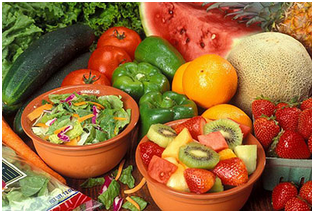
Organic food is very popular these days. It can also be very expensive. Some organic food costs twice as much as non-organic food. Parents of young children, and even some pet owners, will pay high prices for organic food if they think it's healthier. But many others think organic food is just a waste of money.
There is one main difference between organic and non-organic food. Organic farms do not use agricultural chemicals such as pesticides that stop insects from damaging crops. In many countries foods that claim to be organic must have special labels that guarantee they're grown organically.
Some people think organic also means "locally grown", and originally this was true. But over time organic farming has become big business, with many organic foods now being grown by large agricultural companies that sell their products far from where they're grown. Processed food made with organic ingredients has also become more popular. At first, only small companies produced these products. But as demand overtook supply, big food companies that had been selling non-organic products for many years also began selling organic products. Small organic food companies found it difficult to compete with these big companies, and many didn't stay in business much longer.
Is organic food safer and more nutritious? This is an important part of the debate. Many farmers and consumers believe it is. They think agricultural chemicals can cause serious illnesses like cancer, but there isn't much evidence proving this is true. However recent studies have shown that eating organically-grown produce reduces your chances of developing heart disease. Many doctors think it's more important to stop dangerous bacteria from contaminating foods. These bacteria can contaminate both organic and non-organic fruit and vegetables, and doctors recommend washing produce carefully before eating it. Meat, fish and chicken can also become contaminated, so washing your hands before handling these foods is also very important. Many doctors also believe we should reduce the amount of sugar in our diets, and there is a lot of evidence to support this idea. They recommend carefully checking the list of ingredients on processed food and drinks for all the words that really mean sugar, like glucose, sucrose and fructose. And they remind us that the aim of most big food companies is to make lots of money, even if they damage our health while doing so. This means processed foods that are called "organic" can also be very unhealthy if they contain lots of sugar.
Most people agree that naturally grown food tastes better. Is tastier food worth the extra money? That's a matter of opinion. Whether organic food is healthier or not is still not clear, so more research is needed. However, consumers of organic food often say "better safe than sorry" when it comes to what we eat.
Vocabulary
| Word | Meaning |
|---|---|
| agricultural adj. | related to farming |
| bacteria noun | tiny organisms that can live in our bodies |
| better safe than sorry idiom | being careful is better than taking risks |
| consumer noun | a person who buys something |
| contaminate verb | to make something a carrier of disease |
| debate noun | a discussion in which opposing ideas or arguments are expressed |
| demand noun | a product's popularity as shown by the number of people who want it |
| evidence noun | facts that prove something is true |
| expensive adj. | highly-priced or costing a lot of money |
| handle verb | to touch, hold or move with the hands |
| ingredients noun | the different foods, spices, etc used to make a meal or a dish |
| label noun | the sticker, tag, etc. with information about a product |
| nutritious adj | good for your health (of food and drinks only) |
| organic adj | grown naturally without the use of pesticides |
| pesticide noun | a chemical that stops insects from destroying crops |
| produce noun | food that comes from a farm, like fruits, vegetables, eggs, meat, etc. |
| produce verb | to make or create something |
| process verb | to make something with technology and machines in a factory |
| stay in business idiom | to survive (of a company or person in business) |
| supply noun | the amount or number of products ready to be sold |
| waste of money idiom | a poor choice when spending money |